

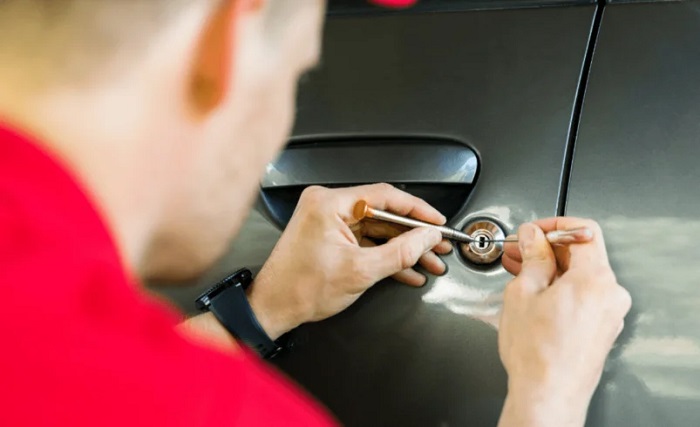
Car opening is a set of actions aimed at restoring access to the interior or trunk in the event of lost keys, blocked locks, or malfunctioning electronic systems. It is important to understand that any methods should only be used by the legal owner of the vehicle or an authorized person with supporting documents.
Incorrect attempts to open a car often result in damage to the lock cylinder, seals, glass, paintwork, and triggering the alarm and immobilizer. Therefore, care, minimal intervention, and adherence to safety regulations remain key with Waterloo locksmith.
Rules and Safety Before You Begin
Checking the legality of access is the first mandatory requirement. If the car is not yours or there is doubt about the owner’s right to use it, any action may be considered an attempted theft.
- Verify your ownership of the car: car documents, power of attorney, rental/car sharing confirmation, and owner identification.
- Assess the risk of damage: modern doors have amplifiers, sensors, and complex rods, so rough handling almost always leaves traces.
- Consider the electronics: the central locking system may be blocked, the security system may be activated, or the engine may be prevented from starting.
- Act slowly: abrupt movements with tools often cause dents on the door edge and damage the seal.
If the situation involves a child or animal in the car, a health hazard, or overheating, the priority is to call emergency services. In other cases, it is preferable to contact professionals, such as a Waterloo locksmith, to minimize the risk of damage.
What not to do when opening a lock
- Breaking glass unless absolutely necessary: this is dangerous and usually more expensive in consequences than careful opening.
- Pouring liquids into the lock (except for suitable products): inappropriate chemicals damage the cylinder and collect dirt.
- Pulling the door forcibly: creases appear, the geometry is distorted, problems with closing and sealing arise.
- Trying to start the car using bypass methods: risk of damaging the electrics, control units, and legal consequences.
How to reduce the likelihood of a repeat Locks
- Make a duplicate key and store it separately from the main set.
- Check the key fob battery and replace it early, before it’s completely discharged.
- Maintain your locks: cleaning and lubricating with suitable products extends the life of the cylinder.
- Learn the emergency procedures for your model: where the mechanical cylinder is located, how to open it with a key when the battery is dead.
Proper car opening is not a matter of “forceful opening,” but rather the careful selection of a suitable method, taking into account the design, level of protection, and condition of the locks. Following the rules, avoiding rash decisions, and proper preventative measures help keep your vehicle intact and avoid a recurrence.
Legal Grounds and Vehicle Access Verification
Vehicle opening is only permitted with legal grounds and verified access rights. Failure to comply with these requirements may result in administrative or criminal liability, as well as disputes over damages.
Before commencing work, it is necessary to identify the person requesting the service and establish their connection to the vehicle through documents and objective evidence. If in doubt, it’s safer to refuse the autopsy and suggest contacting the police or an authorized dealer.
Reasons, Documents, and Inspection Procedure
Legal grounds for autopsy typically include protecting property and restoring access to one’s own vehicle, as well as actions taken in a state of emergency (e.g., a threat to life/health). In all cases, confirmation of the applicant’s authority is key.
What to check from the applicant:
- Identity document (passport/driver’s license, etc.).
- Right of ownership/use: STS, PTS (if available), purchase and sale agreement, power of attorney, lease/rental agreement, official order (for corporate vehicles).
- Match of data: Full name and details in the documents, state registration plate, VIN/chassis number (if available), other vehicle identifiers.
- Additional confirmations if the documents are not on hand: electronic copies from official applications/accounts, availability of a second key, insurance policy, confirmation from the owner by phone with data recording (not as a replacement for documents, but (as an addition).
Recommended action plan before opening the vehicle:
- Verify the applicant’s identity and record contact information.
- Check the vehicle’s documents and visual indicators (license plate, make/model, color).
- If possible, check the VIN/chassis number through accessible elements (plate, glass, opening), without causing damage.
- Assess the situation for the risk of a crime: secrecy, lack of logical explanations, document discrepancies, aggressive behavior.
- If in doubt, refuse and offer to call the police/wait for the owner/provide original documents.
- After opening the vehicle, ensure the safety of the property, transfer access to the applicant, and issue a confirmation of the completed actions. Work.
High-risk situations when refusal is necessary:
- The applicant cannot confirm identity or access rights with documents.
- The documents raise doubts (inconsistencies, obvious signs of forgery).
- The vehicle is located in a closed area/parking lot with a separate access regime without permission from the administration.
- The applicant demands covert action or prevents data recording.
Summary: unlocking a vehicle is not only a technical operation but also a legally significant action. Reliable verification of access rights, data recording, and refusal in case of doubt reduce the risk of violation of the law, protect the owner, contractor, and third parties, and also help maintain the provability of good faith actions.