

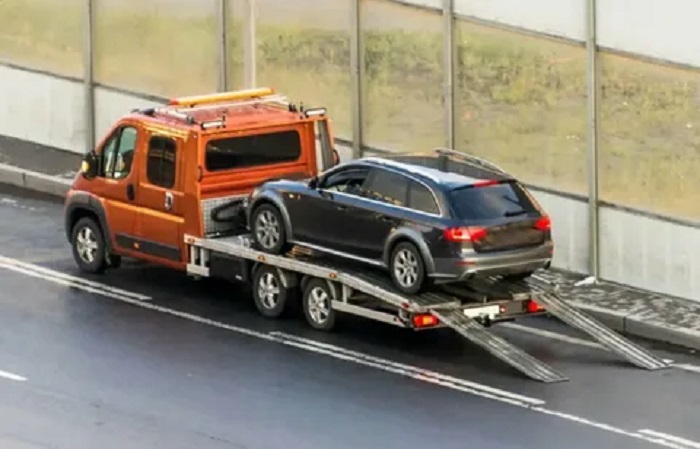
Car towing is the transportation of a car using specialized equipment (a tow truck) in cases of breakdown, accident, illegal parking, or the need to take the car to a service center without the risk of further damage. Proper driver actions and knowledge of basic rules can save time, money, and avoid legal issues.
Below are practical recommendations from pacific towing: how to prepare for towing, what documents and formalities are important, how to supervise loading, and what to do if the car is impounded. These tips are relevant for both scheduled transportation and emergency situations.
When towing is necessary and what are the options?
Most often, a tow truck is required when it is impossible to safely continue driving or when the vehicle is obstructing traffic or is parked improperly. The loading method is selected based on the vehicle’s condition and on-site conditions.
Typical Cases
- Breakdown (won’t start, faulty transmission, steering, or brakes).
- Accident (damaged wheels, suspension, body parts, fluid leaks).
- Improper Parking and towing to a special parking lot by decision of authorized services.
- Transportation to a service center without mileage (for example, after purchase or extended downtime).
Towaway Methods
- Flatbed (full load) – the safest option for most situations.
- Partial Load – one axle is raised, used in situations with limited access. but requires caution.
- Towaway with a crane-manipulator – when the vehicle is blocked, parked close to the platform, or cannot be rolled onto the platform.
When is it permissible to detain a vehicle and send it to a special parking lot?
Detaining a vehicle and towing it to a special parking lot is permitted when a violation of traffic regulations or operating requirements poses a safety threat, impedes traffic, or when it is impossible to stop the violation without moving it. The decision is made by an authorized official, and the actions must comply with the established procedure.
Key principle: if the reason for the detention can be rectified on the spot (e.g., the driver arrived before the start of the move and corrected the violation), towing should not be used. Record the circumstances, check documents, and request copies of the completed materials.
Grounds for detention and sending to a special parking lot
- Improper stopping/parking, when the vehicle obstructs traffic or poses a safety hazard (including in areas where parking/stopping is prohibited and this impedes passage).
- Parking in disabled spaces without legal grounds (in the absence of supporting documents/a sign in accordance with the established procedure).
- Driving without a license (no driver’s license, deprivation of the right to drive).
- Signs of intoxication in the driver, refusal to undergo a medical examination, or other situations where the driver is removed from driving and it is impossible to hand the car over to the legal driver on the spot.
- Unregistered vehicle or the presence of a ban on operation in the specified cases (when detention is expressly permitted by regulations).
- Dangerous malfunctionsfor which operation is prohibited if further movement is required and safe on-site repairs cannot be ensured.
- Violations of transportation regulations (e.g., hazardous materials), when continued movement is prohibited and the violation must be stopped.
On-site procedures: procedural documents must be drawn up, the grounds, location, and time must be recorded, and copies must be made available. It is advisable to take photos/videos of the vehicle’s position, signs, and markings, as well as record the details of the tow truck and designated parking lot.
Summary: towing to a designated parking lot is an extreme measure, applied only if there are legal grounds and the procedure is followed. To reduce risks and costs, check the rules for stopping/parking, avoid leaving your car where it obstructs traffic, and if a dispute arises, promptly resolve the issue on the spot, documenting all circumstances.