

Driving through Czechia is a common route for travelers across Central Europe. The country’s highways connect Germany, Austria, Slovakia and Poland, making them a vital part of many European journeys. To use these motorways legally, drivers must purchase an electronic vignette. Reliable resources provide essential details about the Czech toll vignette, ensuring that foreign visitors and local residents alike remain compliant and avoid unnecessary fines.
How the System Works
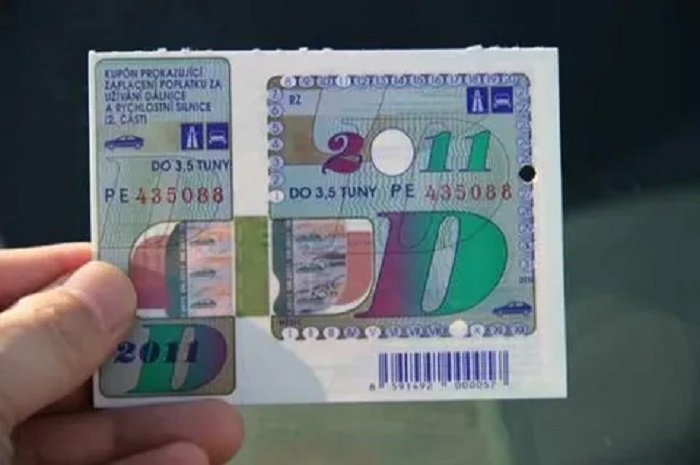
The electronic system has replaced the old paper stickers, bringing convenience and efficiency to tolling. When buying a vignette, the vehicle’s license plate is registered in a central database. Cameras along the highways automatically verify payment, eliminating the need for physical stickers. This streamlined process ensures equal treatment of domestic and foreign drivers.
Vignettes are available in several durations: one day, ten days, one month and one year. Such flexibility allows drivers to choose an option that matches their travel needs. A short visit may require only a one-day vignette, while frequent travelers benefit from monthly or annual passes.
Prices and Compliance
Understanding the cost structure is crucial. Drivers who fail to purchase a vignette face significant fines, often many times higher than the actual price. Transparent information on tariffs helps travelers prepare their budget in advance. To avoid mistakes, it is helpful to consult verified information about Czech toll vignettes, where the conditions of validity, categories of vehicles and other important aspects are explained clearly.
Purchases can be made online from abroad, and the start date can be scheduled. This provides convenience for families and professionals who plan their journeys in detail and want the vignette to be valid exactly when they need it.
Looking Ahead: 2026 and Beyond
Czechia continues to modernize its toll system, ensuring that regulations remain up to date. Changes in road categories, adjustments in tariffs and updates in enforcement technology are expected. For drivers who wish to plan ahead, dedicated resources already cover what to expect with the Czech toll vignette 2026. This forward-looking perspective helps travelers understand upcoming requirements and remain compliant well into the future.
By staying informed about planned updates, drivers reduce the risk of unexpected expenses. It also illustrates the long-term goal of Czechia: to create a fair, transparent and efficient tolling system that meets European standards while supporting infrastructure development.
Conclusion
The Czech electronic vignette is a key element of modern mobility in Central Europe. It balances convenience with strict enforcement, offering options for both short-term visitors and long-term drivers. By relying on accurate sources about the Czech toll vignette, its pricing and future updates, travelers gain peace of mind and full legal security on Czech highways. For anyone planning a trip across Europe, understanding this system is not just helpful – it is essential.